
Living Faithfully: Don Blosser's Journey from Doctrine to Action
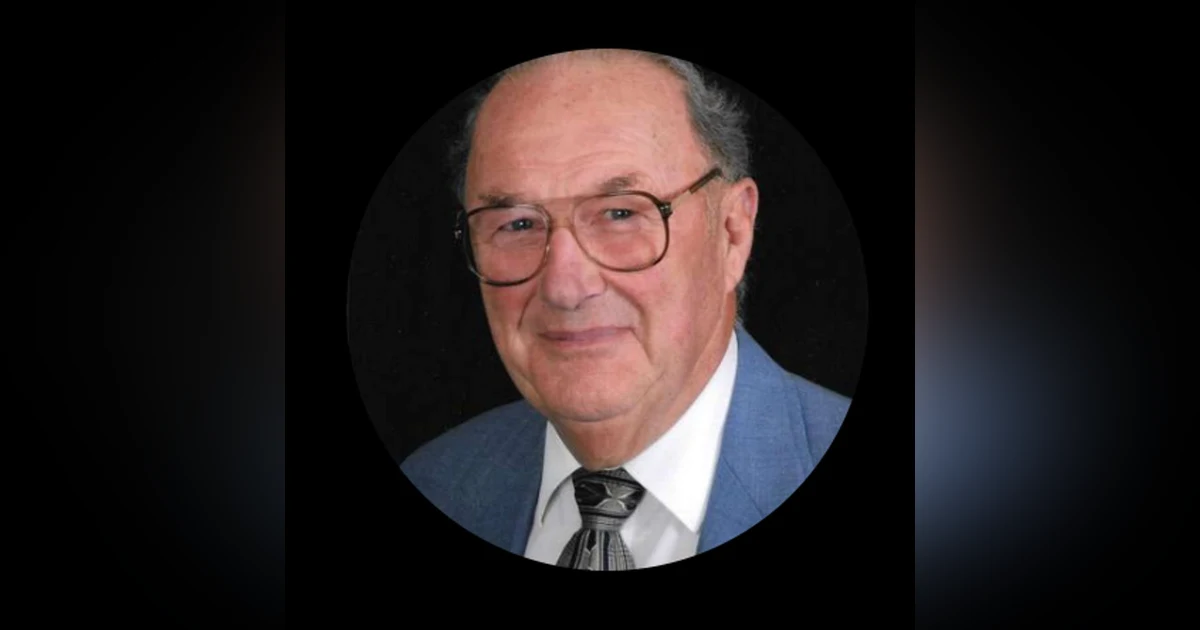

Send us Fan Mail Send us Fan Mail In this insightful episode of Living the Dream with Curveball, we welcome Don Blosser, a longtime Mennonite pastor, New Testament professor, and author, who shares his profound journey through faith, doubt, and transformation. With over four decades of ministry experience, Don reflects on the evolution of his beliefs and the importance of living out the teachings of Jesus in everyday life. Don discusses his transition from a fundamentalist background to embra...


 RSS Feed
 Key Takeaways
- Don Blosser reflects on a lifetime of ministry, transitioning from a fundamentalist doctrinal focus to an activist faith centered on living out the teachings of Jesus.
- Personal struggles and doubt can serve as catalysts for deepening spiritual understanding and moving toward a more compassionate, action-oriented lifestyle.
- Effective modern faith focuses less on strict dogma and more on how individuals treat their neighbors, families, and communities with honesty, integrity, and love.
- Active listening is a powerful tool for connection, especially among elderly individuals in retirement communities who often lack people willing to hear their stories.
- Don's books, including insights on the good news according to Jesus, encourage readers to apply historical spiritual principles to contemporary culture to make the world a better place.
Send us Fan Mail
In this insightful episode of Living the Dream with Curveball, we welcome Don Blosser, a longtime Mennonite pastor, New Testament professor, and author, who shares his profound journey through faith, doubt, and transformation. With over four decades of ministry experience, Don reflects on the evolution of his beliefs and the importance of living out the teachings of Jesus in everyday life.
Don discusses his transition from a fundamentalist background to embracing an activist faith, highlighting how his experiences have shaped his understanding of community and the impact of faith on personal and social well-being. He emphasizes the significance of treating others with compassion and integrity, and how these values can help foster a more harmonious society.
Listeners will gain insights into:
- The difference between doctrinal belief and living out one’s faith
- The role of personal struggles in deepening spiritual understanding
- How to engage with faith in a modern context while respecting historical teachings
- The importance of listening and connecting with others in a retirement community
- An overview of Don's books and their relevance to contemporary issues
Join us for a thought-provoking conversation that encourages listeners to reflect on their own faith journeys and the ways they can contribute positively to their communities. Don’s wisdom and experience provide a valuable perspective on living a life of purpose and connection.
For more information on Don Blosser and his work, visit www.Donaldblosser.WordPress.com
Frequently Asked Questions
Who is Don Blosser?
Don Blosser is a longtime Mennonite pastor, New Testament professor, and author with over four decades of ministry experience who advocates for an activist, compassion-driven faith.
What is the main theme of Don Blosser's journey and teachings?
His journey centers on moving away from rigid fundamentalist doctrine toward an active faith that prioritizes living out the practical, everyday teachings of Jesus through love and integrity.
Where can I find more information about Don Blosser and his work?
You can learn more about Don Blosser and his books by visiting his website at www.donaldblosser.wordpress.com.
Welcome to the Living the Dream Ponac with Curveball. If you believe, you can achieve. Welcome to the Living the Dream with Curveball Podcast, a show where I interview guests that teach, motivate, and inspire. Today I am joined by longtime Mennonite pastor, New Testament professor, and author who has spent decades helping people with faith, doubt, and transformation. Don Blosser. Don wants to help people not just learn the teachings of Jesus but live out the teachings every day of their lives. So we're going to be talking to Don about his books and his everything that he's up to and gonna be up to. So Don, thank you for joining me. Thank you. Why don't you start out by telling everybody a little bit about yourself?
SPEAKER_01Well, uh, I grew up in eastern Ohio in a very traditional Mennonite church. Went to Goshen College for my college degree, and uh I was a history major, and then went from Goshen College just up the road to Elkhart to Associated Mennonite Biblical Seminary, where I got my seminary degree. After cleaving that degree, I got married. My wife Carolyn and I went to Freeport, Illinois, to a Mennonite church there, where we lived for nine years, and they were good years. It was a rural congregation, quite stable, and gave me the freedom to do what I felt I needed to do. After nine years there, I received a call from the Akron, Pennsylvania Mennonite Church and moved there for seven years, I believe it was. And in that seven-year period, I was at a denominational meeting, and both Carolyn and I sensed a very strong call for teaching. She thought I was a good teacher. We sold everything we had and moved to St Andrews in Scotland. For three years, I did graduate school work at St Andrews, then came and joined the faculty at Goshen College as the dominant Bible teacher and was there for 10, 12 years, something. For 20 years uh in that position, which I enjoyed very, very much. Uh, we learned to know a lot of young people and we were able to influence them to good ways of thinking. And uh we retired then, and I'm now living in retirement. Carolyn unfortunately died two years about two years ago. And I'm living by myself, adjusting to that, but doing okay.
SPEAKER_00Well, I'm definitely glad to hear that. So talk about what 40 plus years of ministry has taught you about faith and people.
SPEAKER_01Well, I grew up in a congregation in a faith community where faith was believing the right doctrinal things. Uh, in short, I was a kind of a closet sort of fundamentalist. Uh, it wasn't the life you lived, but the things you believed and doctrinal ideas. Then we had a very interesting event happen. A young man named LaDon Sheets came to us as a visiting guest from Cornania Farm, Clarence Jordan Center, in uh in uh North Carolina, Georgia. And uh that LaDon gave a good introduction to strikingly positive evangelical faith. And as a result, I moved away from my fundamentalism into an evangelical faith and became something of an activist in the community, uh arguing publicly about uh Vietnam policy, uh trying to stir the congregation into more community belief systems. It was a good experience. And then uh we moved to Scotland, came back from Scotland to Goshen College, and I was there for a good block of years, retired there about two or three years ago uh as an independent self-thinking person. And uh I would acknowledge I've had a really good life. Uh we have five children, all of whom are in good shape. And uh unfortunately, my wife Carolyn died of natural causes a couple of years ago. Miss her desperately, but we're going on with our life. We uh read and still do a little bit of writing and dealing. That's shorthand for my life. Uh I've lived a good life, and I'm grateful.
SPEAKER_00Well, congratulations. In today's world, do you feel like people are missing the point when it comes to Jesus' teachings? Why or why not?
SPEAKER_01Well, I I'm I'm grateful, and I hesitate in saying it this way, but I still have young people will come up to me and say, You remember me? I was in your class, you helped me stay Christian. Uh I hadn't thought about that as a deliberate intention, but uh it feels good to have young people who are now in their 30s and 40s come back and say, I remember you, you were my teacher.
SPEAKER_00What talk about how someone going through personal struggles can contribute into deepening their spiritual understanding?
SPEAKER_01Well, my my concern is that I want to I want to speak carefully here. My concern is that a lot of people think is Christian is only one particular version of Christian faith. I I'm into an activist faith where Christian faith is the way you live, it's the way the follow the teachings of Jesus guide the way you treat people, the way you treat the culture, the way you take care of your family. It's the way you do things, and you you try to leave a witness and encourage other people to live in a way that benefits people who live around them, and then thus themselves. So they they live in a way that we together can help people find joy and happiness and sense in living, and that's rewarding, and I think my books reflect that, and uh I hope that reflects the way I live yet today. I'm living in a retirement community as a single uh person and uh doing well, and I'm glad for that. Uh I'm getting older every year, which I tell people is better than the alternative. But uh it's it's a it's a good life, and I'm I'm I'm pleased with the life I've been able to live.
SPEAKER_00Well, let's talk you you talk about faith, doubt, and transformation. You you say uh those are things that seminary didn't teach you, so talk about that.
SPEAKER_01Well, seminary in my background was pretty much learning data, learning to think theologically about uh how does God relate in various settings of various settings and uh cultures, and uh I've uh I moved away from that focus on right belief to right living, so that what what the way we live here, the way we treat neighbors and friends, helps them to do good as it helps us to do good. I live in a in a community which uh gives me opportunity to rate to to relate to people who are still in their older years raising questions about their life and about what they believe or did. And I can I can plug in with them because I was a pastor who became a college professor, and my pastoral life guided me in the way I approached teaching 20-year-olds what what Jesus was all about, and how we how we follow Jesus, not by going back to first century culture, but taking the principles of life and love and honesty and integrity and caring about others and insert that into a modern 20th-century uh culture. I I'm really troubled by the way people have sort of put Jesus on the backbench in church and are not really giving religious beliefs a fair a fair start, uh, because they they no longer believe what they used to believe when they were teenagers and young people in their 20s, but they haven't replaced it well enough, in my judgment, to make an effect on their community. And so I wonder what what's the impact of your church on the way the community treats children, adults, other people, sacrifice and all that. Does it still have a way of calling us to be people who live with integrity and honesty? I I worry about that sometimes in these days.
SPEAKER_00Well, you talk about how the difference matters when it comes to teaching faith versus living it. So, can you talk about that?
SPEAKER_01Well, for me in in Christian faith, I taught a class on Jesus and the Gospels, which was a study of the four gospels. And in doing that, I discovered we had a lot of people in the class in their 20s, uh mid-20s, who had given up on faith because the faith they had as children and as young people growing up was pretty much just in doctrinal beliefs. And they were saying those doctrinal beliefs don't make sense. And I'm saying, I agree with you, many of them don't make sense. But how do we take the life and message and teachings of Jesus and put them in a modern culture which is different from that first century culture, but still calls for honesty, integrity, compassion, and caring? But we we need to get some help at how we treat women in our culture or how we see sexuality in our culture, and we tend to make decisions based on our historic backgrounds rather than keeping alive. I had a friend of mine in Evanston, Illinois, who wrote an article for one of our church papers on uh returning to the future, and in the article he was arguing effectively, I felt, that we have said in order for us to move into a future, we have to go back and recover the past. I'm saying no, we need to learn from the past and create a new culture, a new future, one that takes seriously the ramparts of faculty of staff living, of honesty and the way we communicate, in care of the way we use finances, all these things take a place in the way we live and how our neighbors live with us, and how we can communicate in truth and honesty and love. How can I tell you I care about you if I'm always putting you down and arguing? And I'm trying to help us say, if I look at the life and teachings of Jesus, I'm amazed at the number of times he stopped what he was doing and listened and engaged a person in not an extended conversation, but a brief one. And I said, We we are so easy in our day and so quick to make judgments about people with half of the facts and and and and integrity that we would like to say we have isn't there. We are still hanging on to the past and saying we have to go back to the way we used to think about that in order to think about it in a new way. I'm I have problems with that. And I'd like to think my books deal with that kind of issue. How do we live in a way that gives us personal living integrity and makes life better for ourselves, but also for our neighbors, our friends, our family, the people we work with? How do we live in a way that makes the world a better place? I hesitate to say it out loud, but we live in a world right now of tearing itself to pieces by division and dividing and hate and want to say hatred, distrust of people who don't look, act, or talk like us. I think we need to learn some things about that.
SPEAKER_00Well, speaking of your books, kind of talk to the listeners about your books, tell us what we can expect when we read them and where we can get them.
SPEAKER_01Well, the the uh good news according to Jesus, it it goes, it works basically with the life and teachings of Jesus and what he said and what was going on around him that led him to say it. And uh, how do we see the good, for example? I I'm trusting your basic knowledge of religious belief systems. I don't want to leave you behind in the dust. But if the way people look at Jesus, well, it's it doesn't affect how we drop bombs in the Middle East, it doesn't affect the way we blow up ships in the Gulf of Mexico, it doesn't affect the way we treat our neighbors, because I need to get into what they have, and they they might stand in the way, so I beat them up or mistreat them or talk about them. And in my judgment, Jesus has a lot to say about the way we treat ourselves, the way we treat our neighbors, and really we treat people who aren't yet our neighbors, but they need help. How can we do that? And my my book, uh I'm pleased with it. My book tries to take the stuff of Jesus and apply it in a positive way. How do we think about that in the 20th century settings of the life we live, the people we share life with? How do we communicate anything at all that we believe Jesus taught about the way you tell the truth, you have compassion, you live with mercy. We don't do very well at that these days. And I would like to lead congregational thinking, uh, your thinking, my thinking, uh community thinking is how can we make this world a better place for us and for others too? Believing that as we work in one, the other comes along with us. As we involve people in helping them adjust and learn and work and earn responsibility, it rubs off in our world and we can learn about people who are different from us, but just as good, or people who see things differently, but are also valid. How do we guide the communities of faith to have a positive benefit on ourselves and our others? Is it by telling the truth? Is it by helping them when they need to understand? Well, of course it is. That's what we do. Does that in my my background, does that for stay? Does that make sense?
SPEAKER_00Yes, that makes perfect sense. Tell us about any upcoming projects that you're working on that listeners need to be aware of.
SPEAKER_01Well, I'm getting up in years, I'm getting older every year. My friend tells me that's better than the alternative, but I'm trying to look at better understanding of the reasons why people in our community live and think the way they do, without passing primary judgment saying they ought to think like I think, and they'd be right. Well, maybe once in a while they would be. But I would like to help us. How do we think and share together in ways that benefit both of us? Now you may need to back up and re-ask the question because I I tend to get started and stop thinking. Well, unfortunately, uh right now I'm not. Uh, I do a little bit of small group leadership and things, but well, you don't need to know this. But the the the cost and the emotional energy of publishing a book is much more severe than actually writing the book. And uh I'm doing a touch of writing, but I have my doubts if I'm gonna publish anything else. I would rather encourage some younger people to pick up the publishing uh element. And I think I've said, see, I'm I'm 88. I think I've said most of what I need to say in the world that I can walk alongside and offer helpful counsel about decision making and things like that without having to write it all down or take notes on what I say.
SPEAKER_00Dad, tell her tell him about the meeting Jesus for the the meeting Jesus.
SPEAKER_01Oh boy, this this is my daughter Lois. And what what do you I mean? Oh, meeting Jesus, how did it come to be? I live in an intentional retirement community. And some years ago, when I first moved in, a friend of mine said, Don, you've got you've got to meet Maggie. Well, I never met Maggie, I had no idea who she was. So I met Maggie and found Maggie to be an elderly woman who was housebound because of physical characteristics and her situation health-wise. But I began visiting her, and she told me one day, Don, you're smart, or at least you think you are. You tell me about the little boy who brought his lunch to Jesus. Why did he do that? So I got my concordances out, my memory out, and wrote a uh three-page article on the little boy who brought his lunch to Jesus and why his mother was saying, No, no, keep keep your lunch for yourself. We don't have enough to share. I can live it. And he gave his lunch to the neighbor who already had his lunch anyway, because people didn't have McDonald's back in that time. And when you went somewhere more than a day, You took your lunch. You just took your lunch. And when other people saw the little boy sharing his lunch, it embarrassed them into them also sharing their lunch. And it's funny interesting if you know the story. They have 12 baskets full of food left over after the little boy shares his lunch. And I I try to work at that kind of helpful thinking. I relate also in in my age, more and more of the people I live and move with are getting old, becoming sick, and are dying. And that means there's somebody here with loneliness. So I try to relate to people, listen to them, care about them, give them a word of hope, listen uh carefully to what they say so I can respond to it. And I find that elderly people don't often have people who listen to them. And how I I like it the way people's face light up when they okay, George, tell me about that. What what was that all about? And they get to talk a little while, doing things like that so that I'm I'm not writing, but I'm uh serving as as uh I'm in various settings for a beginning in small groups, and Gai says, now now why did you say that? Help me understand that. That doing keeping the conversation going. I had a mother who was a writer, uh, wrote for a local newspaper, a little daily tidbits. She told me once, Donnie, you just need to know when you're talking, you don't learn anything new. You know, she was right. When I do my talking, I talk out of my reservoir of stuff that I learn. And I need to learn some things new in that way. So I'm trying. I just moved from one apartment to another, uh, where I get a bit more care and have more friends around to visit with. Where was your home? Because here in Goshen, Indiana, we have a big retirement community of people who moved in from there and there and someplace else and down the road and across the country. And people like to talk about themselves, and they'll they'll they'll tell you a real story about growing up in central Illinois or in Missouri or even in Lancaster, Pennsylvania. And home for them might be Goshen, Indiana at Greencroft Community Retirement Center, but there's this there's a part of them that's still back there in central Iowa or northern Illinois, and they don't want to give that up, but they don't want it to nail them down. So we talk about what is what did you do back there? What what do your folks do? What are you doing? And people enjoy talking. And so if you enjoy talking, now I'd be embarrassed to say this now, I've got to stop talking so much because I'm not giving you a chance to talk and enter in the conversation. I've been holding a monologue, which which isn't the way I want to function, but it's so easy to do. Respond to that?
SPEAKER_00Well, I'll respond to it by saying you guys can check out Don's website at www.donaldser.wordpress.com, and you can check out his books and everything that he's up to. You know, follow, rate, review, share this episode to as many people as possible. And like Donald said, you know, take time to listen to someone today, you know, give them give them an encouragement word, ask them about their day. And also take time to go to www.curveball337.com to keep up with all things living the dream. Uh share the website and the show to everybody you know. Thank you for listening and supporting the show. And Don, I'd like to take this time to once again thank you for joining me and thank you for all that you do.
SPEAKER_01And oh, the the tree is mine. Thank you. I I I love to do it to to share and listen. And yeah, if I can get people talking, then it's been a good good hour or a good day.
SPEAKER_00For more information on the Living the Dream with Curveball podcast, visit www.curveball337.com. Until next time, keep living the dream.