
Breaking Barriers Through Words: Dr. Nneka Aluoha's Journey of Healing and Storytelling
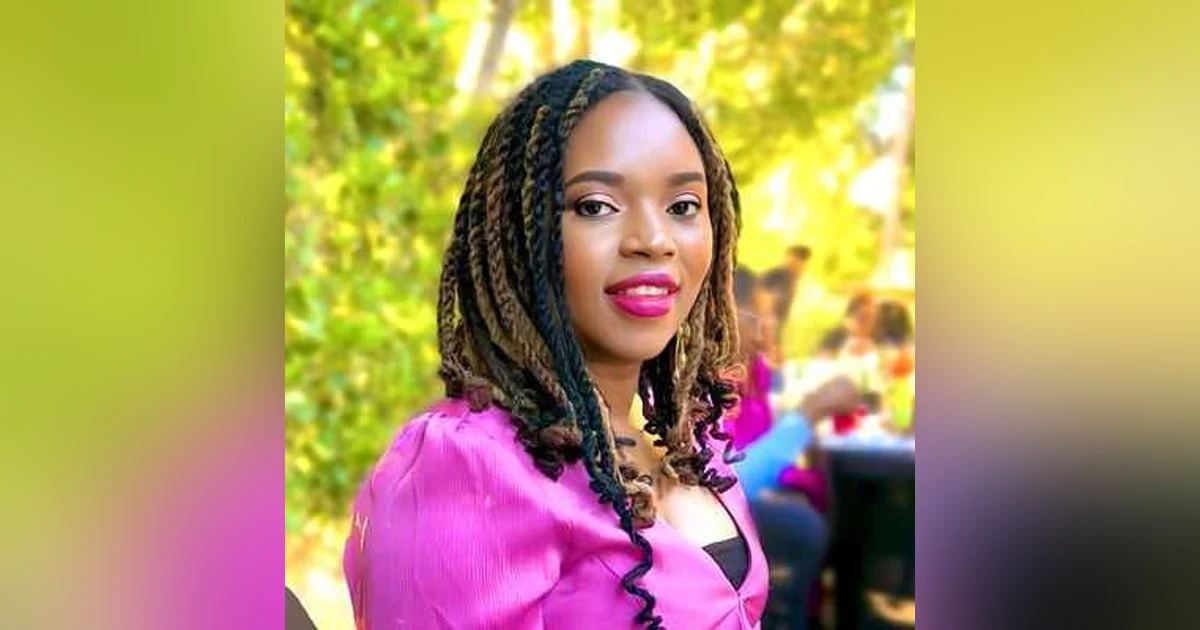

Send us Fan Mail Send us Fan Mail In this thought-provoking episode of Living the Dream with Curveball, we sit down with Dr. Nneka Aluoha, an Algerian American physician, novelist, and speaker whose work delves into the complexities of faith, family, culture, and immigration. Dr. Aluoha shares her inspiring journey from her formative years in Nigeria to her medical career in the United States, emphasizing the powerful intersection of her experiences as a physician and a storyteller. Dr. Aluoh...


 RSS Feed
 Key Takeaways
- Dr. Nneka Aluoha bridges her expertise as an Algerian-American physician with her passion for storytelling to address hidden mental health struggles in her debut novel, Live for Me.
- Physical and mental health are deeply intertwined, with conditions like depression often manifesting physically as fatigue or shortness of breath.
- Cultural expectations and stigma heavily influence how individuals, particularly men and certain ethnic groups, experience and express mental health challenges.
- Fiction serves as a powerful medium for destigmatizing mental health issues, helping readers build empathy and learn about resources like therapy.
- Aspiring writers must actively create time for their craft and maintain persistence despite the demands of careers and daily life.
Send us Fan Mail
In this thought-provoking episode of Living the Dream with Curveball, we sit down with Dr. Nneka Aluoha, an Algerian American physician, novelist, and speaker whose work delves into the complexities of faith, family, culture, and immigration. Dr. Aluoha shares her inspiring journey from her formative years in Nigeria to her medical career in the United States, emphasizing the powerful intersection of her experiences as a physician and a storyteller.
Dr. Aluoha discusses her debut novel, *Live for Me*, which addresses the hidden emotional struggles that often accompany outward success. Drawing from her interactions with patients and the broader community, she reveals the universal themes of mental health and the importance of open conversations about depression. Listeners will gain insights into how cultural expectations shape the way individuals express their mental health challenges and the vital role empathy plays in medicine and everyday life.
Throughout the episode, Dr. Aluoha encourages aspiring writers to persist in their craft, sharing her personal journey of balancing her medical career with her passion for storytelling. She also offers a sneak peek into her upcoming project, *A Girl Called Acer*, which explores beauty, feminism, and the immigrant experience.
Join us for an enlightening conversation that not only sheds light on mental health but also inspires listeners to embrace their stories and foster deeper connections within their communities.
What You’ll Learn in This Episode:
- The connection between physical and mental health from a physician's perspective
- Insights into the stigma surrounding mental health in various cultures
- The impact of fiction on perceptions of mental health
- Tips for aspiring writers on persistence and time management
- A preview of Dr. Aluoha's upcoming projects and their themes
For more information on Dr. Nneka Aluoha and her work, visit nekaraloha.com and follow her on social media for updates on her writing journey.
Frequently Asked Questions
Who is Dr. Nneka Aluoha?
Dr. Nneka Aluoha is an Algerian-American physician, speaker, and novelist known for her debut book Live for Me, which explores the intersection of mental health, culture, and immigration.
What is the book 'Live for Me' about?
Live for Me tells the story of a Nigerian-American woman and delves into the hidden emotional struggles and depression that often accompany outward success.
How does culture affect mental health perceptions?
Cultural and family expectations often create stigmas where speaking about depression is viewed as a weakness, making individuals hesitant to seek help.
What is Dr. Nneka Aluoha's upcoming project?
Her upcoming project is a working-titled novel called A Girl Called Acer, which explores themes of beauty, feminism, family, and the immigrant experience.
Welcome to the Living the Dream Podcast with Curveball. If you believe, you can achieve. Welcome to the Living the Dream with Curveball Podcast, a show where I interview guests that teach, motivate, and inspire. Today I am joined by Dr. Nika Alohan. Dr. Alohan is an Algerian-American physician, novelist, and speaker, and her work focuses on the intersection of faith, family, culture, immigration. And she is the author of the book Live for Me. And Dr. Elohan talks about the hidden emotional struggles that people face behind our success. So we're going to be talking to Dr. Alohan about her journey, her books, and everything that she's up to, and she draws experience from medicine and her passion for storytelling. So Dr. Alohan, welcome to the show.
SPEAKER_01Thank you.
SPEAKER_00Why don't you start off by telling everybody a little bit about yourself?
SPEAKER_01Hi, thank you so much for inviting me here today. So um, first thing um I tell people about myself is that I am first and foremost um a writer. That was my identity before I became a physician. So I grew up in Nigeria. Um, most of my formative years were in Nigeria. Um I also went to medical school in Nigeria, and it was after medical school and a brief internship that I immigrated to the United States. So I have other things up to my name as well, apart from writer and physician. I'm also a wife, a mother, a sister. Um, and um those are all part of what makes me um me. And I draw all those experiences to write my book.
SPEAKER_00Yeah, speaking of the book, uh tell us about it and tell us uh what inspired you to write it and why you felt the story needed to be told.
SPEAKER_01So I I believe um I was always going to write a book someday because I've been writing for as long as I can remember, just scribbles here and there. Nothing I actually um actually felt was worthy to be published, so to say. Um, so the story of Live for Me in Kem came about as um an echo of several voices of different people, not just my patients, but people I see every day, people I see in the church, people you could walk across on the streets, or people you see in the store. And um, all these voices were saying the same thing. Um, sometimes people would say something as a throwaway comment, they'll they'll say, Oh, I'm so exhausted. And you think it's just um superficial, but it goes way deeper than what you can hear. Or you hear a patient say, Um, I just feel I'm a burden to my family. And I keep thinking to myself, no, you cannot be. You couldn't possibly believe this. And I try to tell them this, but I feel like it's not really making the impact I think it is. Or you have um a family member say, say, I'm exhausted, I can't do this anymore. And you expect people to take it seriously and ask deeper questions, but people brush it aside and say, Oh, you can do it. Oh, it's it's it's easy. You do it like other people have been doing it, and and this person may not feel heard. So, over time of hearing things like this, I started to think and imagine, and it was what if. So, I thought, what if there was a woman in Nigerian American? And what if she had a story like this? And what if? And so the what if turned into Nkem story. So when I first began to write about N Kemp's story, I actually didn't realize that it was going to be what it is today. So it started from this idea, and I put the first word down on paper, and then before I knew it, I had a whole manuscript that I thought I could relate to, and I also thought a lot of people could relate to as well. So this book, even though Live For Me in Kemp is about a Nigerian American, I also believe that anybody from any culture or ethnicity can also relate to something. Mental health and depression is universal, and the struggles are very similar across ethnicities.
SPEAKER_00Well, as a physician, what have you learned about the connection between physical health and mental health that most people overlook?
SPEAKER_01The connection is um is a lot more prominent than people think it is. For instance, um, somebody with with depression could come in and say, Oh, I feel so tired, or I feel so short of breath. And you think, oh, maybe they have um a cardiac condition, or maybe um is a thyroid condition, but it's depression, they need to be referred to a mental health specialist. And sometimes it takes you going through the whole um diagnosis rigma role to realize that you know.
SPEAKER_00Well, how do you feel that culture and family expectations shape the way people experience and talk about mental health?
SPEAKER_01There's I believe there's a very, very strong connection, and um sometimes I see this in some of my patients sometimes, um, of um actually different ethnicities. Sometimes you have a I have a patient who wants to tell me that they are struggling, but it's almost like they cannot find the words to say it. Maybe they were raised in a culture whereby um speaking about depression is a weakness, or I've actually come across people who believe that men should not have mental health um concerns or challenges. So if a man feels like he's depressed, that makes him less masculine. So you find that these um these individuals hesitate to ask for help or even bring it up or discuss it. So I believe having an open mind when we when we approach um you know patients or just um or just people in general, and giving them a safe space to tell their stories will bring some of these uh challenges to light.
SPEAKER_00Speaking of stories, do you feel like fiction can change the way that people think about depression and mental health more effectively?
SPEAKER_01I believe that so strongly, and that's one of the reasons why I wrote Live for Me in Camp. Because um when it comes to fiction, you know, we believe that this is fiction. We're able to read it, we we learn new things. For instance, someone told me a couple of days ago, one of my early um readers, and she said she had no idea that kids could go to therapy, you know. So so therapy is for everyone. It's for adults, it's for children, it's for the old and for the young, everybody can benefit. But she had no idea that you know that children could go to therapy. And she learned this from Louis Farming Camp. So if one person takes away something from fiction about mental health, that's a huge success.
SPEAKER_00Why do you feel like so many people appear successful on the outside while silently struggling on the inside?
SPEAKER_01I think there's a huge burden placed on people to appear successful. Um, there's also the the factor of social media where people put out their success on display. So if if you happen to be the one who is not um who is not doing well, you may not want to share that fact because around you you see people showing things that may not be true. So you want to appear that you are also doing well. And some people also do not want to speak about their challenges, either they feel uncomfortable or they don't feel safe enough to. So it's it's easier in that sense to create a false, a false appearance of success. So you have people in either high-profile positions or high-powered jobs, they smile, they act the way they're supposed to, they do what they should do, but deep within them, they're they're also struggling very, very badly.
SPEAKER_00Well, what do you hope readers take away from your book, Live for Me when they read it?
SPEAKER_01What I hope um the most is that as people read this, they they become more more open to conversations about mental health. Um they they they do not fall prey to the stigma that still surrounds mental health very strongly, even though this is the 21st century. And I also hope that um you know each person can take something away from the book. And I want there to be a message of hope. Um, be realistic, depression, mental health can be an uphill battle to fight if you have the wrong tools. So I'm hoping that leaf forming camp shows people that there are tools, and um with the right tools, it could be a message of hope.
SPEAKER_00Speaking of that, uh how do you feel like family, friends, and communities can better support somebody who who's uh you know struggling with uh depression or mental health?
SPEAKER_01I think uh the the biggest thing a family can do for someone who has uh struggles, first of all, is the is love and acceptance. If people feel that in that um the family they're with may not have that acceptance, it's harder to to be open with your challenges, it's harder to seek healing, and it's also harder to find your way out of that fog of depression if you are not in a safe environment. And that's something that family can provide. You know, even from the hospital, sometimes we have um people who who are going home or who need to go somewhere from the hospital who have mental health challenges, just having some one person show up for them makes a big difference, and we always see it. And um the community also has a role to play in that, um, because you know, the the family is a unit of the community. So if a family by themselves are struggling and the community is not accepting, then then it's also very challenging. But if you have a community where um where there's love, first of all, and acceptance and the willingness to understand what people are going through, that makes a huge difference in people being able to say what's on their mind or say what they're struggling with and seek help.
SPEAKER_00Well, what role do you feel that empathy plays in medicine storytelling in everyday life?
SPEAKER_01As far as um empathy goes, you it will be uh very challenging to understand or even or even try to uh figure out what someone is going through without empathy, without being able to put yourself in someone else's shoes and see what they see. So in medicine, we see this a lot. We have people come, they you know, we are taking care of them, they tell us their stories, and sometimes those stories might be difficult to believe because you keep asking, how could it be this bad? How come nobody ever did this? How come no one ever understood? But if you take a step away from those questions and put yourselves in their shoes and try to imagine what they are going through, what they have always gone through, then you're a step closer to helping that person. If they even feel, if they feel like you may not understand or care, that door is shut. They stop sharing, and you will not be able to help them or even reach them.
SPEAKER_00Well, if there's somebody out there listening, an aspiring writer who wants to create stories that make a meaningful impact, what advice would you give them?
SPEAKER_01I would say um keep keep working at it. Writing a story for me, I I found um was something I kept putting off because there was, I always thought there was something more important to do. You know, um, being a being a physician is tough, the exams are tough, I need time to study. Um, I need time to do this other thing. Um, that you know, being a mother is demanding, I need to do these things for my kids. There's always something else that needs to be done. But you have to get you get to the point where you decide that I want this is what I want to do. I want to tell this story. This story needs to be out there. And once you make that decision, then you put a few words down every day. There some days will be better than others. Some days you write a lot of words, other days you write a few, some days you won't write anything. But persistence, you know, keeping at it is the is the key, I would say. And um, I actually wish I had understood this much earlier because I would have had my story out earlier because I kept telling myself that there was no time, and then I realized that I had to create that time, I had to make that time and do what I always wanted to do. So, my advice to someone who is an aspiring author would be you create the time that you need and be persistent.
SPEAKER_00Well, tell us about any upcoming projects that you're working on that listeners need to be aware of.
SPEAKER_01Oh, that's um very exciting for me, actually. So, my next project um is is um about the name is is uh the working name at this moment is a girl called Acer. So it it explores the themes of beauty as commodity and how beauty can be both um a blessing and a burden, and you know, the role the family has to play in this kind of situation. It also explores you know feminism and um male versus um female children and how the community approaches both as well as you know uh friendship and immigration.
SPEAKER_00Well, so listeners can keep up with everything that you're up to, they'll have your contact info.
SPEAKER_01So my um my website is uh is my name and last name isolnecaraloha.com. I'm also at at Instagram on the same name, as well as LinkedIn and um Facebook.
SPEAKER_00Right, we'll close this out with some final thoughts. Maybe if that was something I forgot to talk about that you would like to touch on, or any final thoughts you have for the listeners.
SPEAKER_01Well, um, final thoughts would be um to be more open-minded as regards mental health, look within look deep within the challenges people could be facing and not just what's on the surface out there. And um, I would love for listeners also, if they can, to grab a copy of my book. It's um going to be published September 9th.
SPEAKER_00All right, well Nikaalohan.com. I will put the website in the show notes, and please check out everything that she's up to and pick up that book to be released on September 9th. Follow rate review, share this episode to as many people as possible. Also, if you haven't done so, visit www.curveball337.com. Share the website and the show to everybody that you know. Thank you for listening and supporting the show. And Nika, Dr. Nika, thank you for joining me and thank you for all that you do.
SPEAKER_01Thank you so much for having me.
SPEAKER_00For more information on the Living the Dream with Curveball Podcast, visit www.curveball337.com. Until next time, keep living the dream.